
Inquire Us
DS-6310
DMR Simulcast System
Specifications
| Frequency Range (MHz) | VHF: 136–174MHz; UHF3: 330–400MHz; UHF1: 400–470MH |
| Operating Temperaturecc) | Extreme: -30 °C to +60 °C; Normal: +15 °C to +35 °C |
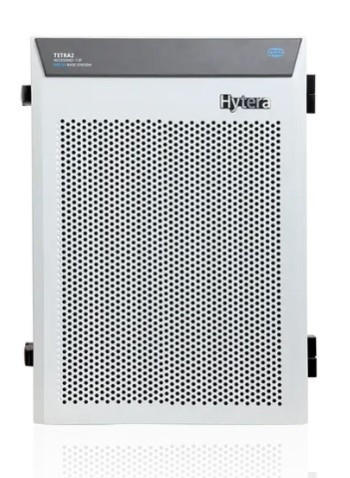
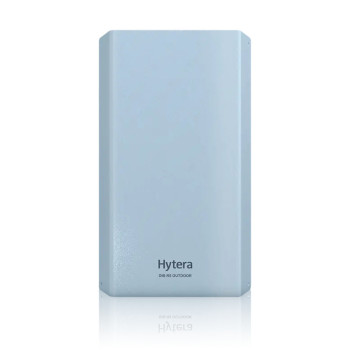
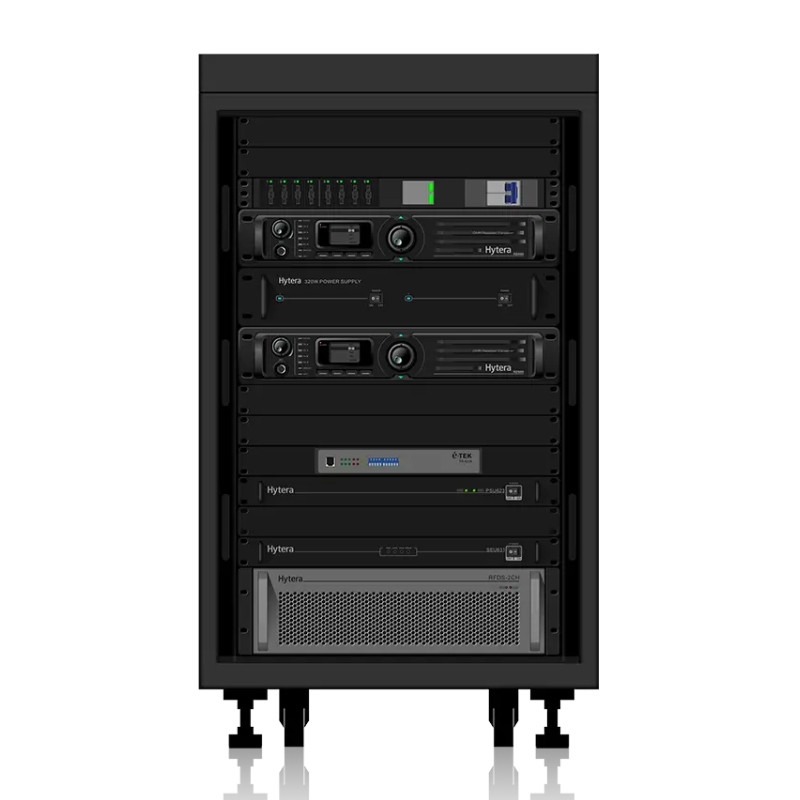
| Dimensions (H X W X D)(with battery, without antenna)(mm) | Single-carrier BS:355*425*482.6mm; Dual-carrier BS:900*600*600mm |
| Weight (with antenna & battery)(g) | Single-carrier BS≤50kg; Dual-carrier BS≤110kg |
DS-6310
Hytera DMR Simulcast System (DS-6310) is developed on the basis of the Digital Mobile Radio (DMR) Tier II standard, by following a set of principles such as simultaneous broadcasting, large coverage and smooth analog-to-digital migration. It can fully meet the requirements of the users who need an easy to set up, easy to use and reliable communication network with even one pair of frequency over a wide area.
Features
Higher Spectrum Efficiency
Simulcast technique reduces to a single pair of frequencies needed (one for TX and one for RX) regardless of the number of BSs in the network. DMR two-slot TDMA technique supports 2 simultaneous communications on a single 12.5 kHz radio channel.
Smooth Roaming and Handover
In simulcast system, the radio is capable of roaming and handover seamlessly between different BSs , the ongoing communication can continue normally during handover
Dynamic Voting
Simulcast system can provide good voice performance in overlap area as radios in overlap area can always receive the best voice frame through dynamic voting. As a voting center, MSO is used to analyze each voice frame received from Base Stations in real time. The best voice frame will be extracted and sent to radios.
Flexible Networking
The IP-based architecture enables flexible networking. Multiple transmission links can be used between BS and MSO, such as IP, E1, Microwave, wireless bridge, etc. The standard SIP and RTP are used to interconnect with other systems such as PSTN system, DMR trunking system. Digital or analog mode is configurable in the system
Analog/Digital Selectable
Simulcast Base Station channels support working both in analog and digital mode, to ensure smooth migration from analog to digital network
Smart Subnetting and Patching
According to management requirements, DMR simulcast system can be divided into different subnets by Base Station or by time slot of channel unit in each Base Station. Each subnet can work as an independent simulcast system. Different subnets can be patched to make a larger subnet temporarily according to the requirements